

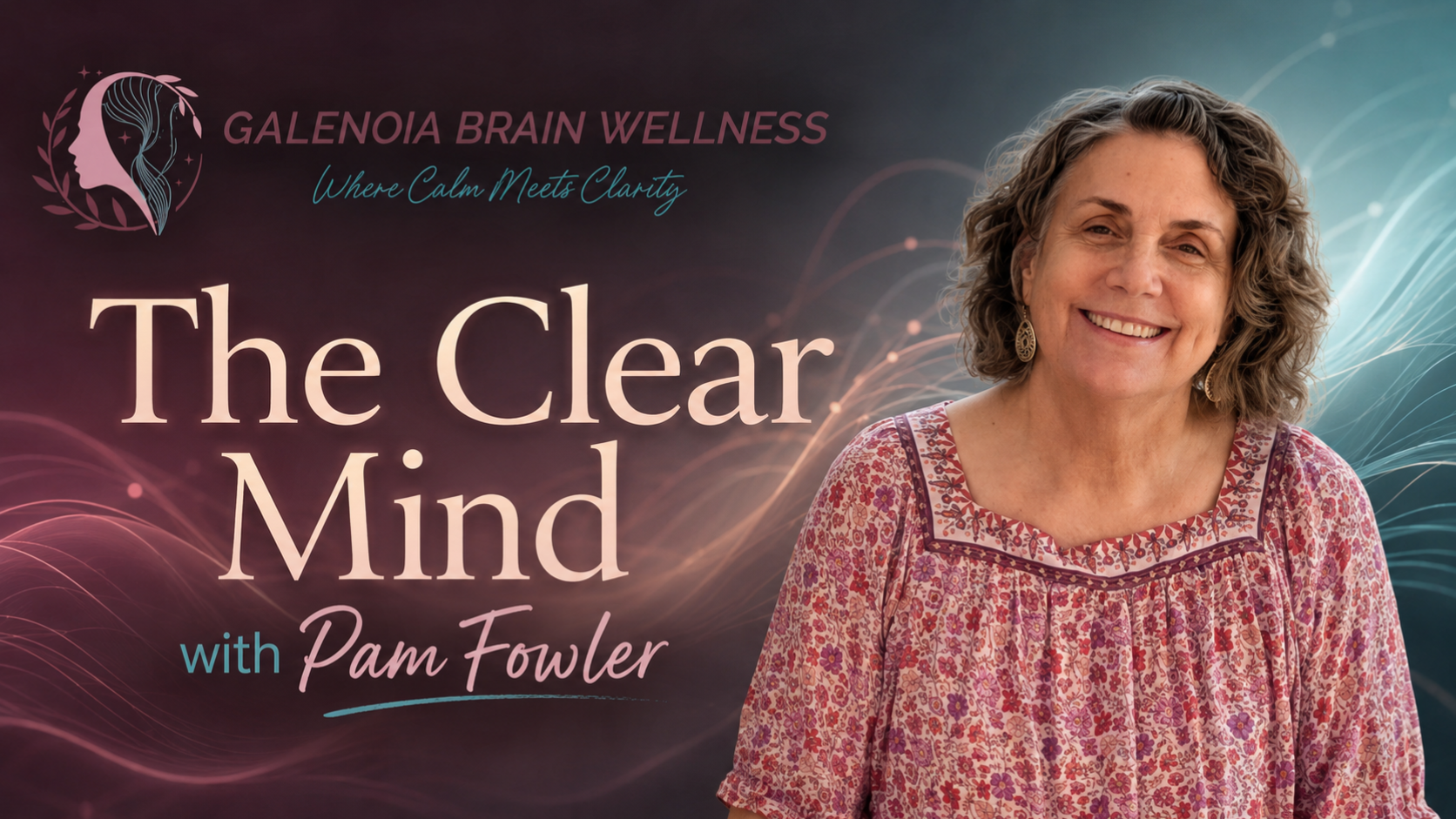
Recognizing fight-or-flight reactions and practicing simple grounding habits can help people respond to everyday pressure.
Stress does not live only in a person's thoughts. It can show up in a tight grip on the steering wheel, a racing mind at bedtime, shallow breathing or the feeling that even a routine inconvenience has become an emergency.
Pam Fowler of Galenoia Brain Wellness in Huntsville encourages people to begin by recognizing those reactions for what they are: the body's attempt to respond to a perceived threat. That response can be useful in a true emergency, but modern life can activate it during traffic, a difficult conversation, a late arrival or an upsetting message.
The goal is not to build a life with no stress. It is to notice when the body has shifted into high alert and practice ways to return attention to the present.
"Stress will never go away," Fowler said. "So we need to learn how to help our bodies with it."
Stress is both emotional and physical
People often describe stress through emotion: anger after a conflict, worry about a deadline or sadness following a difficult exchange. Fowler said it can help to step back from the emotion long enough to notice what is happening physically.
The body's fight-or-flight response prepares a person to react to danger. According to the National Center for Complementary and Integrative Health, stress hormones can increase heart rate and breathing and cause blood vessels to narrow. In short bursts, that response is a normal coping mechanism. When stress continues for a long period, however, it may contribute to or worsen sleep problems, headaches, digestive trouble and other health concerns.
That distinction matters because the body may react before a person consciously labels an experience as stressful. Fowler described drivers who suddenly realize they have been clenching the steering wheel. Others may notice tense shoulders, rapid speech, restless thoughts or difficulty settling down at night.
Those signals are not a personal failure. They can serve as an invitation to pause, identify the reaction and choose a small response instead of allowing the tension to keep building.
Fowler uses the term neuroregulation to describe helping the nervous system move out of a prolonged high-alert state. In everyday practice, that may mean slowing the breath, focusing on the senses, walking or using another familiar routine that redirects attention. Different methods work for different people, and a strategy that helps with ordinary stress is not a substitute for professional care when symptoms are persistent, severe or disruptive.
Grounding brings attention back to the present
One of Fowler's preferred starting points is a sensory grounding exercise. Rather than continuing to follow a rapid chain of worries, a person deliberately notices what is immediately around them: things they can see, hear, touch, smell and taste.
The exercise can be done while walking or while sitting in a safe place. A person might identify five visible details, then work through sounds, textures and other senses. The exact count matters less than the decision to slow down and observe the present environment.
The U.S. Department of Veterans Affairs also describes grounding as a way to shift attention toward the present and external surroundings. Its guidance includes using the five senses to describe colors, textures, sounds and other nonthreatening details in the environment.
Fowler said walking adds a physical outlet to the sensory exercise. She began with a 10-minute walk around a small block with her dog rather than setting an intimidating goal.
"You start small," Fowler said. "It started with one tiny little 10-minute walk with the dog."
That approach removes the pressure to transform an entire routine in one day. A short walk, several deliberate breaths or a minute spent noticing the surroundings can be a manageable first step. Regular movement, adequate sleep, social support and other healthy habits can also be part of a broader approach to stress management.
A nighttime routine can interrupt racing thoughts
Bedtime can become the moment when unfinished tasks and worries demand attention. Fowler recommends getting out of bed briefly when lying awake turns into a mental "hamster wheel." Her routine includes resting on the floor with her legs elevated against a wall, using patterned breathing and writing down no more than three priorities for the next day.
Writing the priorities down gives the mind a place to leave them until morning. Fowler then uses what she calls a reverse list: choose an object and name something completely unrelated to it, then repeat the process with the new object. The task is intentionally simple but requires enough concentration to interrupt repetitive thinking.
Breathing exercises are among the relaxation techniques recognized by the National Center for Complementary and Integrative Health. Slow, focused breathing may help produce the body's relaxation response, which is associated with slower breathing, a lower heart rate and a greater sense of calm. The agency notes that evidence varies by condition and advises people not to use relaxation practices as a replacement for conventional medical care.
No single routine works for everyone. Someone with pain, limited mobility or another health concern may need to modify or avoid the legs-up-the-wall position and choose seated breathing or another comfortable practice instead. The useful question is not whether a person follows Fowler's routine exactly, but whether the routine safely helps create a transition from the day's demands to rest.
Knowing when self-help is not enough
Fowler's own experience taught her that breathing, grounding and other self-directed practices have limits. She described a period when her body felt overstressed and she began experiencing panic attacks. The strategies that had helped before were no longer enough, which she recognized as a signal to seek additional help.
That distinction is important. Relaxation and grounding exercises can support well-being, but they should not be used to delay care for recurring panic attacks, prolonged insomnia, severe anxiety, depression or symptoms that interfere with work, relationships or daily life. A physician or licensed mental health professional can evaluate symptoms, rule out other causes and discuss appropriate treatment. Anyone in immediate danger or experiencing a mental health crisis should seek emergency assistance.
Fowler said progress does not mean stressful circumstances disappear. She recently navigated the uncertainty of moving her practice after several possible locations did not work out. The experience still made her anxious, but she said she was able to use breathing and her nighttime routine without returning to the panic attacks she had experienced in the past.
That is a more realistic measure of stress management: not eliminating every difficult moment, but developing enough awareness to recognize the body's alarm signals and respond with care. A walk, a sensory inventory, a short written list or several slow breaths will not solve every problem. They can, however, create enough space to decide what the next healthy step should be.
The information in The Clear Mind is for general educational purposes and is not a substitute for diagnosis or treatment from a qualified health care professional.
About Galenoia Brain Wellness
Galenoia Brain Wellness is a Huntsville practice offering neuroscience coaching, workshops and IASIS Microcurrent Neurofeedback, also known as IASIS MCN. The IASIS MCN device is indicated for relaxation training and muscle reeducation; information about the service is educational and is not a substitute for medical diagnosis or treatment. Galenoia Brain Wellness is located at 1217 15th Street, Suite 6, Huntsville, TX 77340. To learn more or request a consultation, visit galenoiabrainwellness.com, call (346) 988-6794 or email pamfowler@galenoiabrainwellness.com.